Root canal treatment is often seen as a daunting prospect. However, it is a common and essential dental procedure that saves teeth that have been badly damaged by decay or injury. If you're facing a root canal, understanding the process can ease your anxiety and prepare you for your visit to the dentist. Let’s dive into what you can expect during this journey.
What is a Root Canal Treatment?
A root canal is a dental procedure designed to remove infected or inflamed pulp from inside a tooth. The pulp is the innermost part of the tooth that contains nerves and blood vessels. When this pulp becomes infected, it can lead to severe pain and may result in tooth loss if not treated promptly.
Common Reasons for Needing a Root Canal
- Severe Tooth Decay: Deep cavities can allow bacteria to invade the pulp.
- Repeated Dental Procedures: Multiple treatments on a single tooth may cause pulp irritation.
- Cracked or Chipped Teeth: Physical damage can expose the pulp to infection.
- Gum Disease: Inflammation can also impact the pulp.
What to Expect: The Step-by-Step Process
1. Initial Consultation
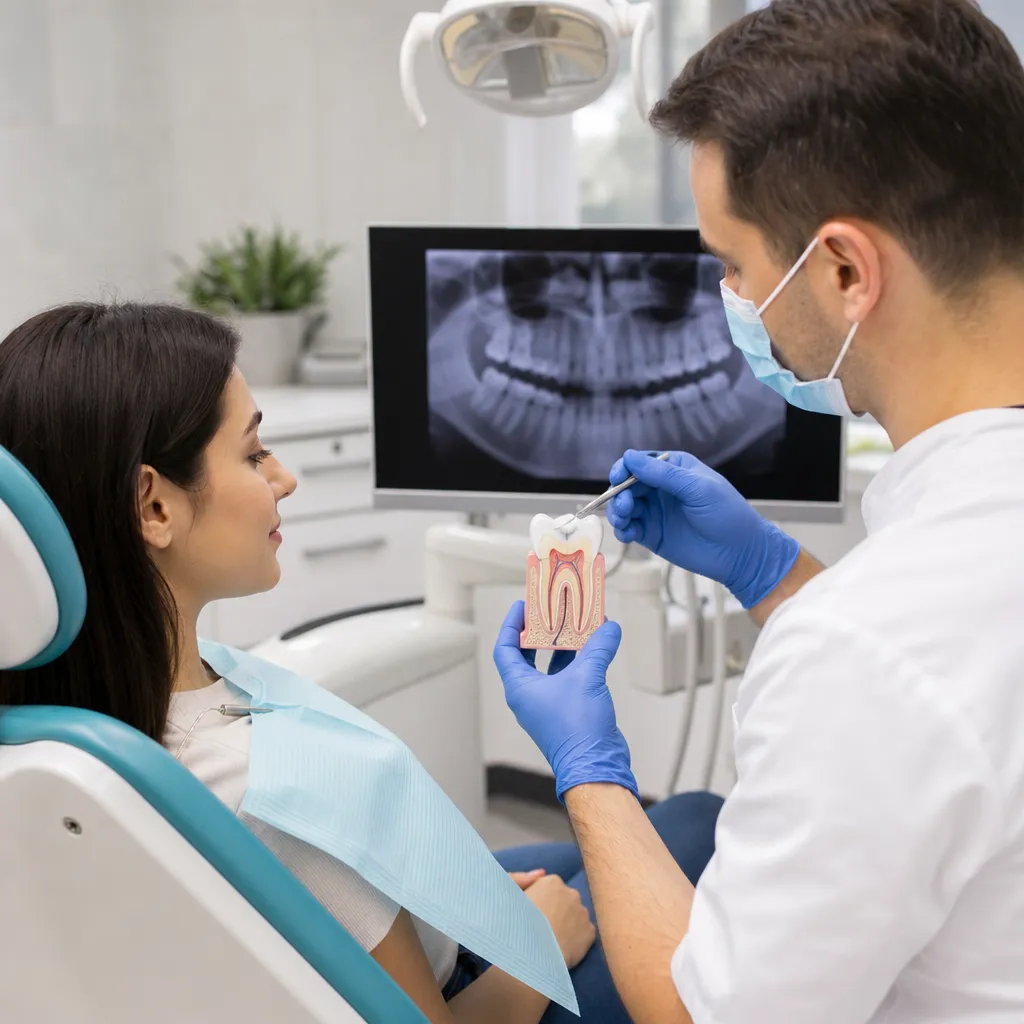
Before the procedure, your dentist will conduct a thorough examination, including X-rays, to assess the extent of the infection. They will discuss the treatment plan with you, along with any risks involved.
2. Anesthesia
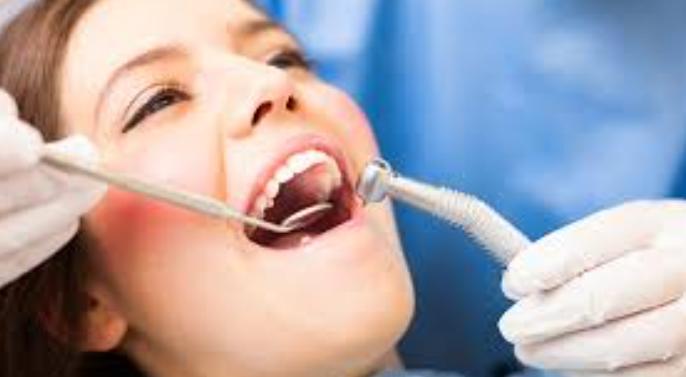
Once ready for the procedure, local anesthesia is administered to numb the tooth and surrounding area. This step ensures that you remain comfortable and pain-free throughout the treatment.
3. Accessing the Pulp Chamber
After numbness is achieved, your dentist will create a small opening in the tooth’s crown to access the pulp chamber.
4. Removing the Infected Pulp
Using specialized instruments, the dentist will carefully remove the infected pulp. This process may take some time, and you may hear sounds from the equipment, but you should not feel any pain.
5. Cleaning and Shaping the Canals
Once the pulp is removed, the inside of the tooth is cleaned and shaped to prepare it for the filling. This step is crucial for preventing future infections.
6. Filling the Canals
The cleaned canals are filled with a biocompatible material, called gutta-percha, to seal them and prevent reinfection. The opening created earlier will also be sealed.
7. Restoration of the Tooth
Finally, your dentist may place a temporary crown on the tooth if a permanent crown is needed. This restoration is important for re-establishing the tooth’s function and appearance.
Post-Treatment Care
After the procedure, you may experience some discomfort and swelling. This is normal, but your dentist will provide you with pain management options. It’s essential to follow their aftercare instructions, which may include:
- Taking over-the-counter pain relief as needed.
- Avoiding hard foods on the treated tooth until fully healed.
- Attending follow-up appointments to monitor your recovery.
Why Seek Treatment at Park West Dental
Choosing a reputable dental clinic for your root canal treatment can significantly enhance your experience. At Park West Dental in Coimbatore, patients can expect world-class facilities and advanced techniques that prioritize comfort and efficacy. The practice is equipped with the latest technology to perform painless root canal treatments, ensuring you can feel at ease during your visit.
Dr. Abhishek John and Dr. Jane John, who lead the clinic, foster a welcoming environment for all ages. Their commitment to patient care ensures that you will receive personalized attention, making the entire process smoother and more reassuring.
Conclusion
Understanding the steps involved in a root canal can greatly alleviate anxiety and help you feel more prepared for your dental visit. While the treatment may seem intimidating, it is a critical procedure that can save your tooth and maintain your dental health. If you believe you might need a root canal, don’t hesitate to contact a trusted dental clinic like Park West Dental in Coimbatore for a consultation.
By prioritizing your dental health, you're taking an important step toward maintaining a beautiful and functional smile for years to come.
Keywords